

Montenegro Digital Nomad Visa 2026: New Income Rules: Montenegro has quietly become one of the most compelling destinations for remote workers in Europe — and in 2026, the programme has never been more accessible. With the Europe Now 2 economic reforms firmly in place, a streamlined Temporary Residence Permit process, full SEPA integration, and a coast that offers fibre broadband, a year-round lifestyle, and some of the lowest effective tax rates on the continent, the question is no longer whether Montenegro deserves to be on your shortlist. It is whether you can still apply before the programme’s announced end date.
This is the complete guide to the Montenegro digital nomad visa in 2026: who qualifies, what you need to earn, which documents to prepare, and — critically — where along the coast you should actually base yourself.
What Is the Montenegro Digital Nomad Permit?
The Montenegro digital nomad permit is technically a Temporary Residence Permit issued to foreign nationals who work remotely for employers or clients located outside Montenegro. It is not a traditional employment visa — you cannot work for a Montenegrin company or serve Montenegrin clients under this status.
The legal basis sits under Montenegro’s framework for temporary residence, administered by the Ministry of Interior. The official processing authority is the Montenegrin police. Full details are published on the official government portal.
2026 Eligibility & Income Requirements
To qualify for the Montenegro digital nomad permit in 2026 you must meet the following core criteria:
Employment status: You must be employed by a company registered outside Montenegro, operate as a freelancer serving foreign clients, or run a business incorporated abroad. All work must be performed remotely.
Minimum Income: The threshold is calculated as three times Montenegro’s statutory minimum wage. In 2026 the minimum income required is €2,010 per month. You must demonstrate this income consistently — not as a one-time payment.
Proof of Funds: Bank statements covering the most recent three months, clearly showing recurring income at or above the €2,010 threshold. Statements must be certified and translated into Montenegrin if issued in a foreign language.
Why Montenegro in 2026?
SEPA Integration: Banking Without Borders
Montenegro’s entry into the SEPA (Single Euro Payments Area) network is one of the most underreported benefits for remote workers in 2026. SEPA membership means that euro transfers between Montenegro and EU member states are processed at domestic rates — no international wire fees, no multi-day delays. For freelancers invoicing European clients, or employees paid by EU-registered companies, this removes one of the most practical daily frustrations of living outside the EU.
0% Tax on Foreign-Sourced Income
Digital nomads resident in Montenegro are generally not subject to Montenegrin income tax on earnings derived from foreign sources for the duration of their permit. Montenegro’s Tax Administration confirms that foreign-sourced remote work income falls outside the standard personal income tax framework under this residence category. If you remain in Montenegro for more than 183 days in a calendar year, tax residency rules apply — consult a local adviser to structure this correctly from the start.
The Infrastructure Has Caught Up
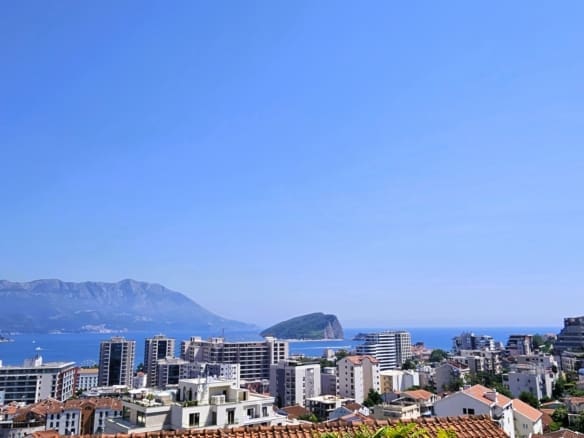
High-speed fibre broadband is now standard across Budva, Tivat, Kotor, and most of Bar. Coworking spaces have expanded significantly in Budva’s city centre and in Tivat near Porto Montenegro. Mobile data coverage across the Adriatic coast is reliable for video calls. The practical objections that held some nomads back three years ago — unreliable connectivity, limited workspace options — have been largely resolved in 2026.
Required Documents
Prepare the following before submitting your application. All documents must be officially translated into Montenegrin by a certified translator:
- Ważny paszport — minimum six months’ validity beyond your intended stay
- Proof of Remote Employment or Freelance Work — a signed contract with a foreign company, active client agreements, or company incorporation documents for foreign-registered businesses
- Proof of Income — three months of bank statements confirming consistent income of €2,010 or more per month
- Ubezpieczenie zdrowotne — valid international policy with coverage in Montenegro for the full duration of the permit
- Clean Criminal Record — issued by your country of citizenship or current country of residence, apostilled and translated
- Proof of Accommodation — a registered rental contract for a property in Montenegro; tourist reservations are not sufficient
The Application Process: Step by Step
Step 1 — Apply from outside Montenegro. Montenegro does not permit conversion of tourist status to digital nomad residency while in country. Submit your application at the nearest Montenegrin embassy or consulate before travelling.
Step 2 — Document preparation. Ensure all certificates (criminal record, income proof, employment contract) are apostilled if your country is a signatory to the Hague Apostille Convention, and professionally translated.
Step 3 — Submit and wait. Processing typically takes 10 to 30 days, though this can extend to 60 days during high-demand periods. Apply well in advance of any planned move date.
Step 4 — Register on arrival. Once your permit is issued and you enter Montenegro, you must register your place of residence with the local police within 24 hours of arrival. Your landlord can assist with this; it is a standard step in the Montenegrin rental process.
For additional legal support on property ownership during your stay, the Izbą Notarialną Czarnogóry maintains a directory of licensed notaries across all major cities.
Permit Duration and Renewal
The initial permit is issued for 12 months. A single renewal of a further 12 months is available — giving a maximum continuous stay under this category of two years. After that, you must depart Montenegro for a minimum of six months before reapplying, or explore an alternative residency pathway. For those who wish to establish longer-term roots in Montenegro, our residency by investment guide outlines the permanent options available.
Cost of Living: What €2,010 Actually Buys You
To put the income threshold in context: a well-furnished two-bedroom apartment in Budva costs approximately €600–€900/month in the low season, rising during summer. A one-bedroom sea-view apartment in Tivat or Bečići runs €550–€750/month outside peak season. Groceries, utilities, restaurant meals, and transport are all materially cheaper than Western European equivalents. A realistic monthly budget for a single nomad living comfortably on the Montenegrin coast — including accommodation, food, coworking, and transport — sits between €1,400 and €1,800, leaving a meaningful surplus above the minimum income requirement.
Where to Base Yourself: Top Nomad Neighbourhoods for 2026
The coast offers distinctly different experiences depending on your priorities. These are the two neighbourhoods we recommend most consistently to remote workers in 2026.
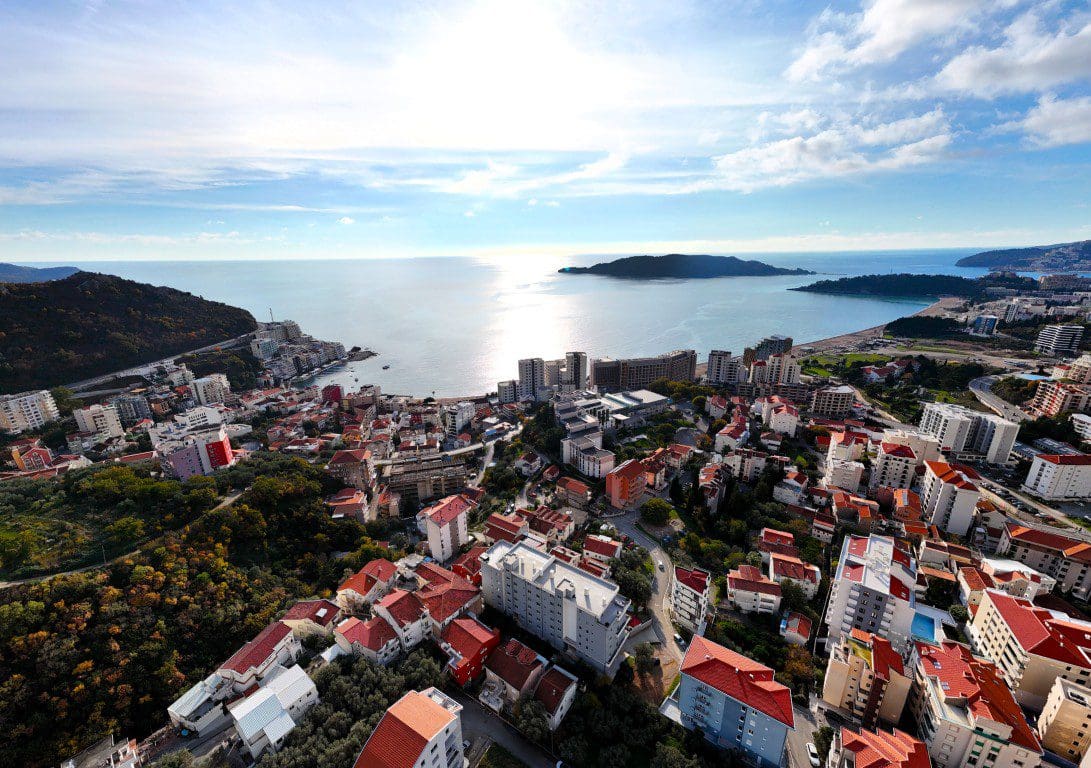
Dubovica, Budva — Najlepsza baza całoroczna
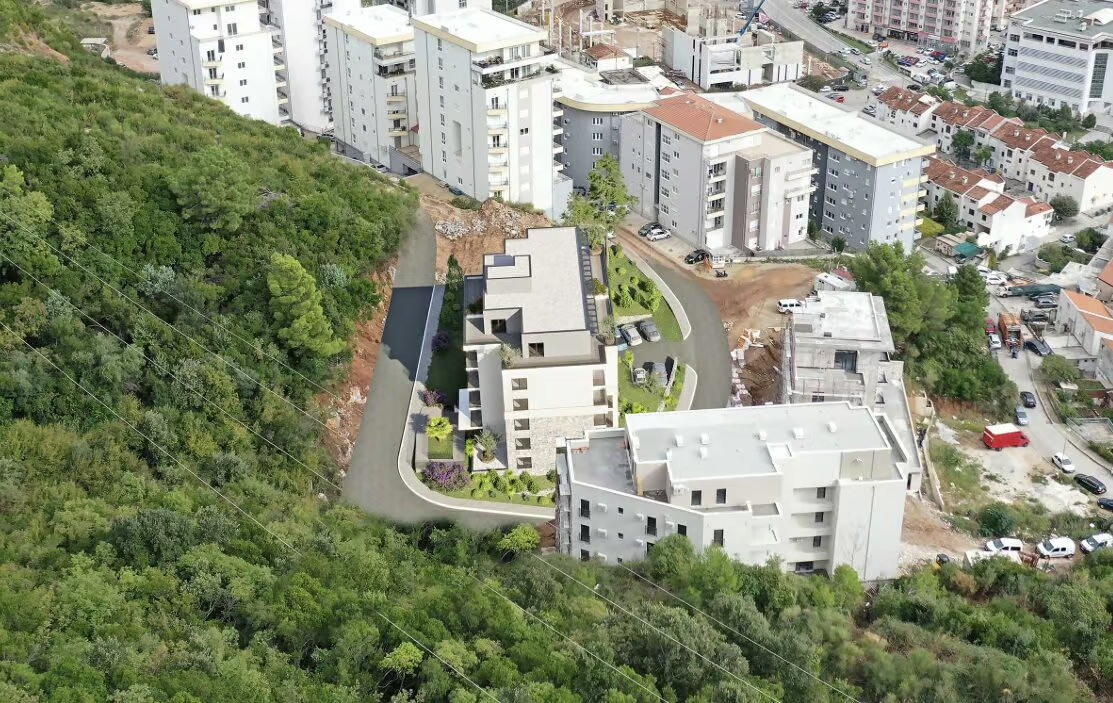
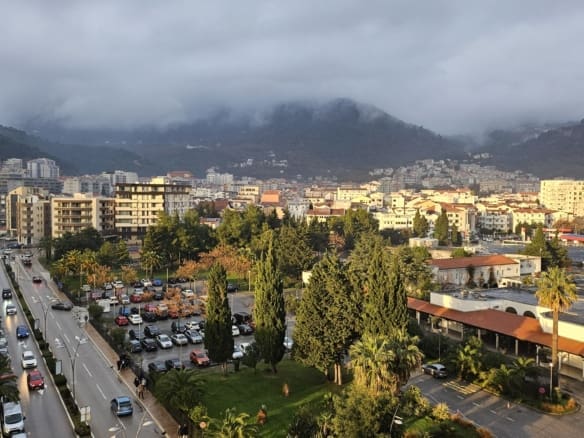
Dubovica położona jest na zachód od centrum Budvy, w odległości spacerowej od kampusu uniwersyteckiego, obiektów sportowych, supermarketu z pełnym asortymentem oraz dworca autobusowego, który łączy z Podgoricą i szerszym regionem. To jedna z nielicznych nadmorskich dzielnic, która nie wyludnia się zimą — społeczność studencka i stałych mieszkańców utrzymuje tu życie przez cały rok. Dla nomadów planujących pobyt sześciomiesięczny lub dłuższy, Dubovica oferuje miejską infrastrukturę bez cen sezonu turystycznego. Przeczytaj nasz pełny przewodnik inwestycyjny po Dubovicy aby poznać szczegółowe dane o dzielnicy i analizę zysków z najmu, oraz przejrzyj aktualne oferty w Budvie.
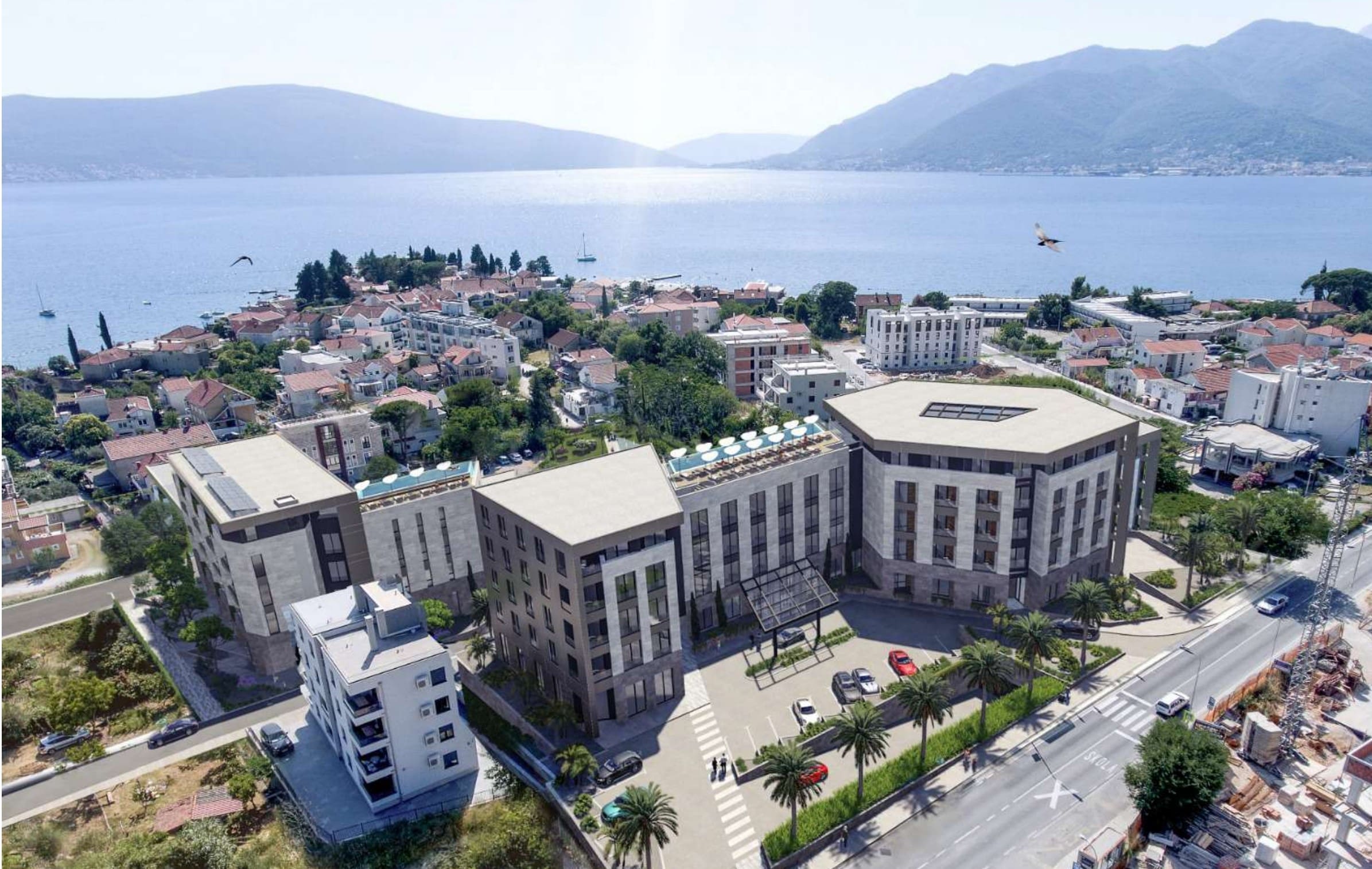
Bečići, Riwiera Budvańska — Najlepsze dla stylu życia
Bečići oferuje kurortową jakość życia przez dwanaście miesięcy w roku, z apartamentami z widokiem na morze, bezpośrednim dostępem do plaży oraz doskonałą komunikacją z centrum Budvy. To preferowany wybór dla nomadów, którzy przedkładają styl życia nad miejską pieszą dostępność — więcej tu krajobrazów, ciszej zimą, większe przychody z krótkoterminowego najmu latem. Zobacz oferty w Bečići na 2026 rok i zapoznaj się z pełną gamą apartamentów na sprzedaż w Budvie jeśli rozważasz zakup zamiast bazy wynajmowanej.
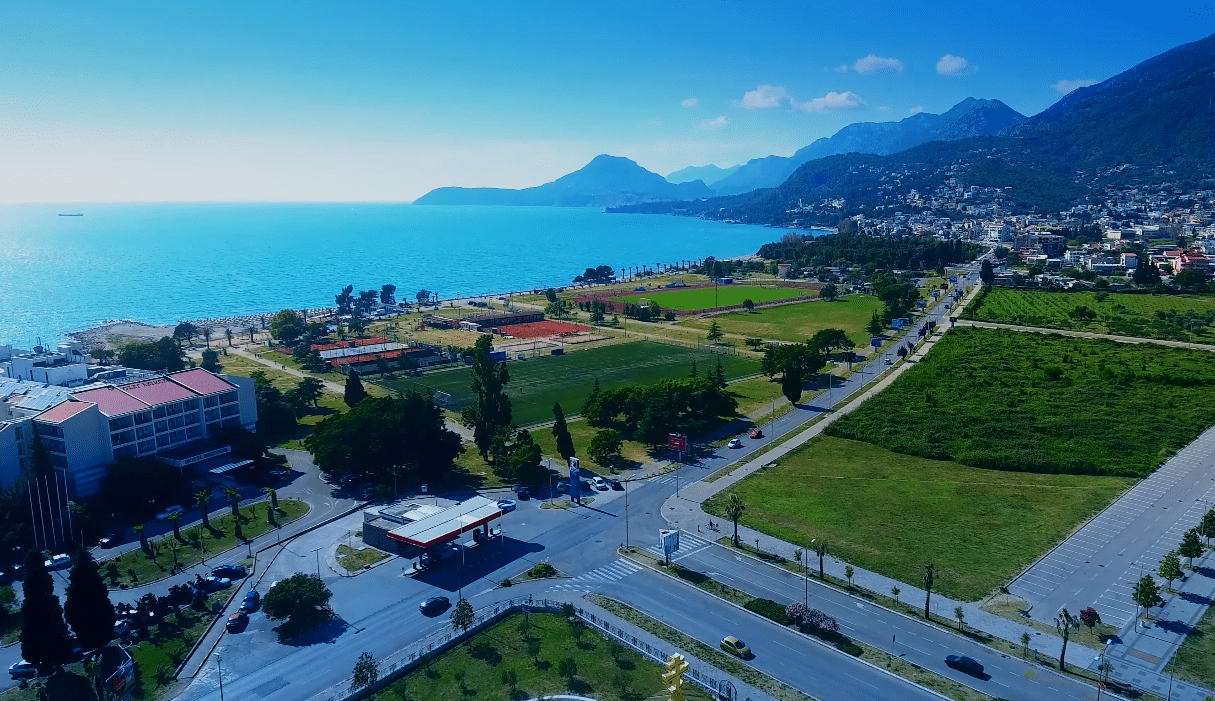
Tivat — Najlepsze dla życia nad mariną
Dla nomadów przyciągniętych międzynarodową społecznością Porto Montenegro, butikowym handlem i pracą w otoczeniu jachtów, Tivat jest odpowiedzią. Szybkie światłowody są standardem, lotnisko jest pięć minut drogi, a rozwijające się okolice Porto Montenegro oferują umeblowane apartamenty w różnych przedziałach cenowych. Poznaj przewodnik po Tivacie oraz pełną listę ofert apartamentów w Tivacie.
One Important Caveat: Act Before the Deadline
Kiedy program pozwoleń dla pracowników zdalnych w Czarnogórze został uruchomiony, rząd ogłosił, że będzie funkcjonował do końca 2026 roku. Na początku 2026 roku wnioski są nadal przyjmowane — ale nie potwierdzono jeszcze, czy program zostanie odnowiony, przedłużony czy zastąpiony nowymi przepisami po bieżącym roku. Jeśli poważnie rozważasz Czarnogórę jako swoją bazę, najpewniejszą radą jest złożenie wniosku teraz, zamiast czekać na wyjaśnienie dalszych losów programu.
Najczęściej Zadawane Pytania
Czy mogę sprowadzić rodzinę? Tak. Małżonkowie i dzieci na utrzymaniu mogą ubiegać się o łączenie rodzin po zatwierdzeniu twojego pozwolenia. Uwzględnij dodatkowe 600–800 €/miesiąc na każdego członka rodziny dla celów wykazania wystarczających środków finansowych.
Czy mogę kupić nieruchomość podczas pobytu? Tak. Obywatele obcych państw mogą nabywać nieruchomości w Czarnogórze z identycznymi prawami własności jak obywatele. Przeczytaj nasz kompletny przewodnik po zakupie nieruchomości w Czarnogórze aby poznać cały proces.
Czy potrzebuję lokalnego doradcy podatkowego? Przy pobytach przekraczających 183 dni, tak. Zwolnienie 0% z podatku od dochodów zagranicznych wymaga odpowiedniego przygotowania — lokalny księgowy znający czarnogórskie Tax Administration przepisy szybko się zwróci.
 English
  German
  Polish
  Russian
  Turkish
  Montenegrin
  Ukrainian